Interior vs. Exterior Paint: Why It Matters in Anaheim
- September 23, 2026
- Anaheim, CA
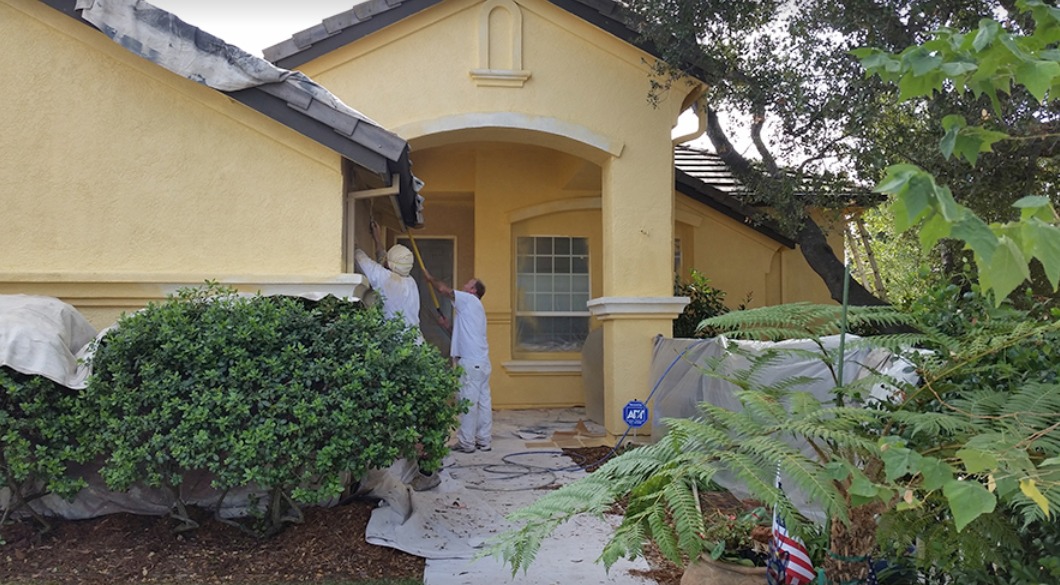
Interior vs. Exterior Paint: Why You Can't Use One for the Other
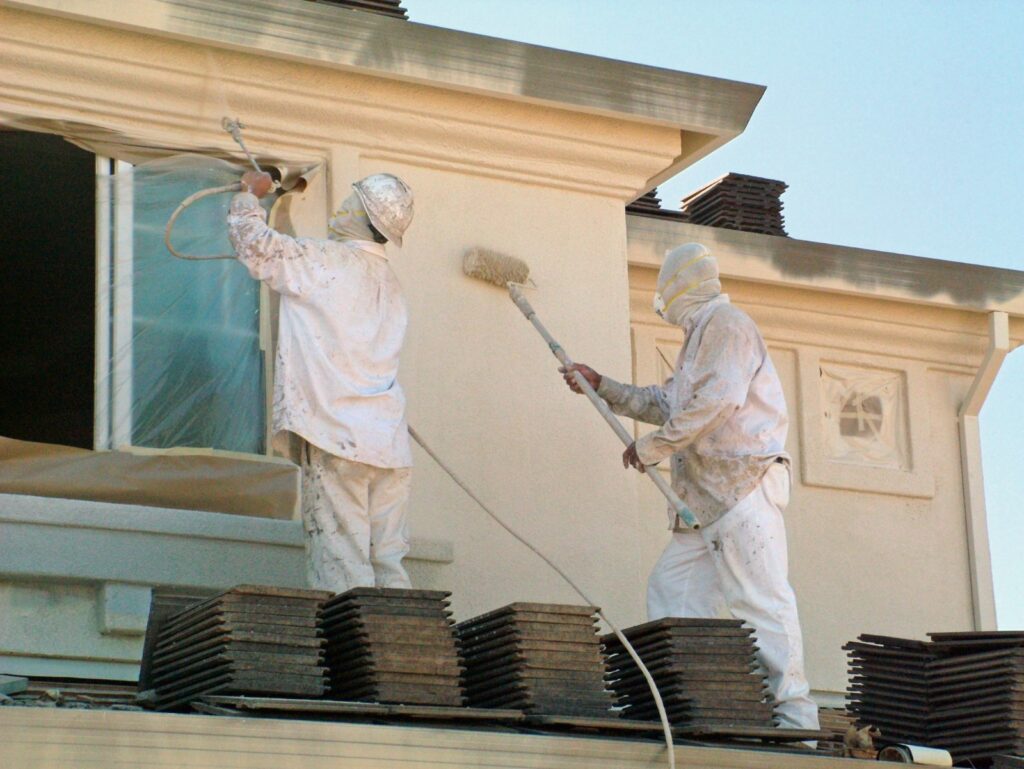
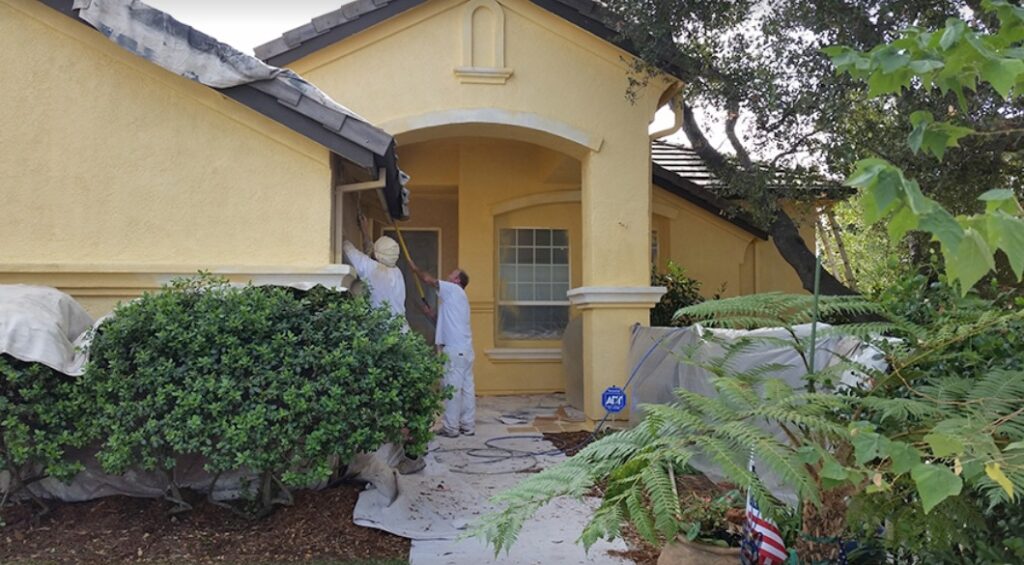
Got half a gallon of leftover paint sitting in the garage? It’s tempting to just grab it for whatever’s next, inside or out, and call it done. But interior and exterior paint aren’t really cousins. They’re built for two completely different jobs, and using the wrong one can leave you with peeling, fading, or a finish that quits on you in months instead of the years it was supposed to give.
Anaheim doesn’t do you any favors here either. Summer sun bakes the walls facing south, the marine layer rolls through some mornings and adds moisture back in, and then the Santa Ana winds show up and dry everything out again, unevenly, like clockwork. A paint job that would coast along fine in a gentler climate can start falling apart here in a single season if the wrong product ends up on the wall. So let’s talk about why these two paints really don’t swap places, and what that means for whatever you’re painting next.
What’s Actually Different Between Interior and Exterior Paint?
Honestly, the difference starts at the chemistry level. Exterior paint is built with resins and additives meant to flex through temperature swings, shrug off UV rays, and keep moisture from rain or humidity out. Interior paint doesn’t need any of that. It’s made to survive scuffs, stains, and the everyday wear a household throws at a wall, not weather.
Think of the binders as the glue holding the pigment together. Exterior formulas lean on more flexible resins so the paint film can expand and contract without cracking as an Anaheim day heats up and cools back down. Interior paint skips that flexibility and goes harder and smoother instead, which is great when you’re wiping down a kitchen wall after dinner, and pretty much useless the second real sun exposure gets involved.
Why Exterior Paint Isn’t Meant for Your Living Room
Exterior paint puts off more VOCs, those volatile compounds, than interior paint does, and that alone makes it a rough choice for anywhere with four walls and a ceiling. Outside, those fumes just drift off into open air. Indoors, they don’t have anywhere to go.
That means the smell lingers, sometimes for days, in the same air your family’s breathing. On top of that, exterior paint tends to have a harsher chemical bite and a less polished finish than what you’d want for cabinet work or a carefully chosen wall color. It just doesn’t sit right in a living space, in more ways than one.
Why Interior Paint Fails Fast Outdoors in Anaheim’s Climate
Interior paint has zero UV protection built in, and it can’t flex the way outdoor surfaces need it to when temperatures swing. Put it outside anywhere, and it’ll struggle. Put it outside here, and it struggles faster than almost anywhere else in the country.
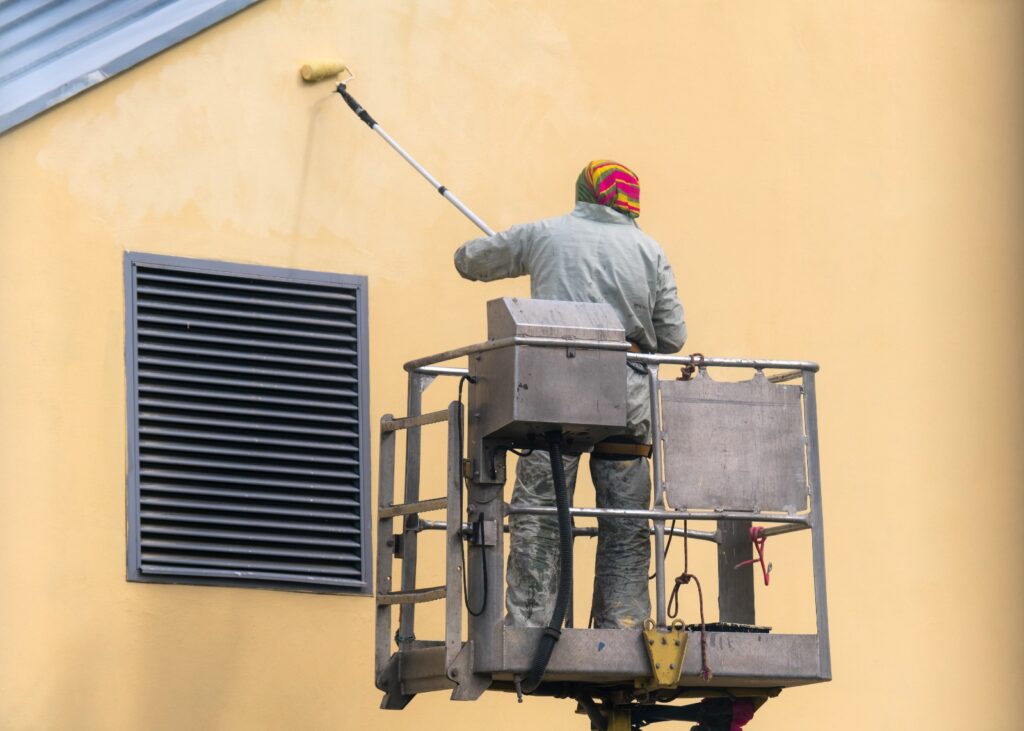
Picture what a wall outside actually goes through around here. Blazing sun one afternoon, a damp marine layer rolling in the next morning, then Santa Ana winds pulling that moisture back out again before the wall’s had a chance to catch its breath. That’s more stress in a single week than an interior wall sees all year. So when interior paint winds up outdoors, it doesn’t take long to show. Chalking, fading, peeling, usually within a few months. And that’s not on the painter. The paint was simply never built to take any of it.
Can You Ever Mix Interior and Exterior Paint?
Short answer, don’t. Combining the two doesn’t get you some clever hybrid that handles everything. It just gets you a coating that’s mediocre at both jobs, honestly. Each type is engineered as its own complete system, and once you start blending them together, you throw off the exact chemistry that made either one work in the first place.
There’s one exception worth knowing about though. Some products are labeled specifically as interior slash exterior paint, built from scratch to handle both environments. That’s a different animal than dumping two cans together in the garage. It’s a formula made for that purpose, and it’s worth asking your painter if it’s the right call for something like a covered patio wall, the kind of surface that sits somewhere between indoor and outdoor exposure.
What Happens When the Wrong Paint Is Used
Early peeling. Chalky residue. Fading color. A surface that dents or scratches way too easily. These are the telltale signs someone used the wrong type, and on an exterior wall, they often show up within the first year instead of the five or more years a properly matched coating should give you.
We’ve walked into more than a few Anaheim homes where a well meaning DIY attempt, or a contractor cutting corners to save a buck, used interior paint outside. And the homeowner ends up footing the bill for a second full paint job way sooner than they should’ve. That costs more in the end than just doing it right the first time around.
How to Make Sure Your Painter Uses the Right Product
Ask. Just ask your contractor straight up what product line they’re using and why they picked it for your specific surface. A painter who actually knows Anaheim’s climate should be able to answer that without stumbling, because they’ve thought about it before you asked.
Product choice matters, sure, but surface prep matters just as much. Even a great exterior paint applied over walls that are cracked, damaged, or never prepped properly won’t hold up. That’s really why wall preparation and repair work tend to go hand in hand with a good exterior paint job around here.
Signs Your Current Paint Job Used the Wrong Type
Chalky powder on your hand after brushing against an exterior wall. Early peeling on the sides facing south or west. A sheen that never quite cured right. These are all warning signs worth paying attention to. Indoors, if paint scuffs, stains, or just won’t wipe clean, that often points to an exterior product ending up somewhere it shouldn’t be.
If any of that sounds familiar, it’s worth getting someone to take a second look before things get worse, or before moisture finds its way behind the paint film and into the wall itself.
Frequently Asked Questions
Can I just use exterior paint inside since that’s what I already have?
We’d steer you away from it. Exterior paint gives off more fumes and won’t leave you with the smooth, easy to wipe finish a room actually needs.
Realistically, how long should a good exterior paint job last around here?
Prepped and applied the right way, you’re looking at five to seven years, even with everything Anaheim’s sun and wind can throw at a wall.
My paint started peeling after less than a year. What happened?
Most of the time it’s the wrong product, prep that got rushed, or moisture that got sealed in before the paint ever had a real chance.
Is there one paint that works for both indoor and outdoor spaces?
There is, actually. A few interior slash exterior formulas exist for spots like covered patios, but that’s a specific product, not something you mix up yourself.
Does Anaheim’s weather really wear paint down that much faster?
More than most people expect. Sun, Santa Ana winds, and that marine layer in the mornings all add up to stress milder climates simply don’t deal with.
Can I still match my indoor and outdoor colors for curb appeal?
Sure, color matching’s not the issue. Just make sure whoever’s painting is using the right formula for each surface instead of one can for both.
Next Steps?
Not sure which product belongs on your walls? A quick chat with a painter who actually knows Anaheim’s climate can save you from a repaint down the road. Reach out to Joe’s Anaheim Painters for a free estimate on your next project.